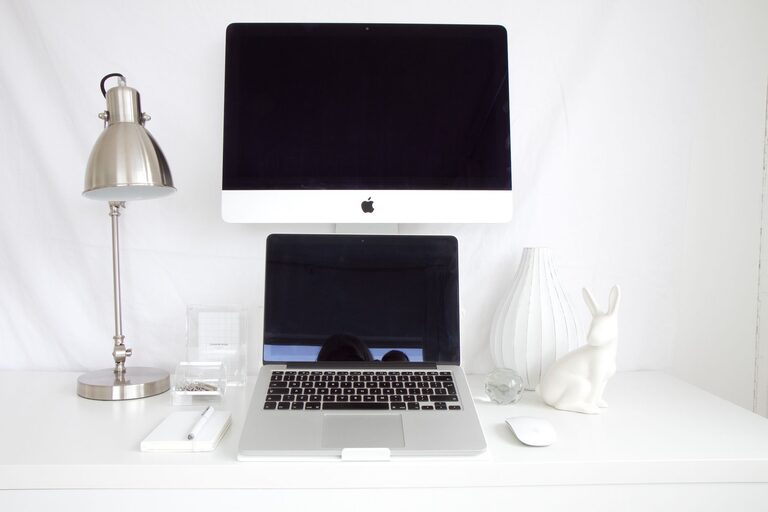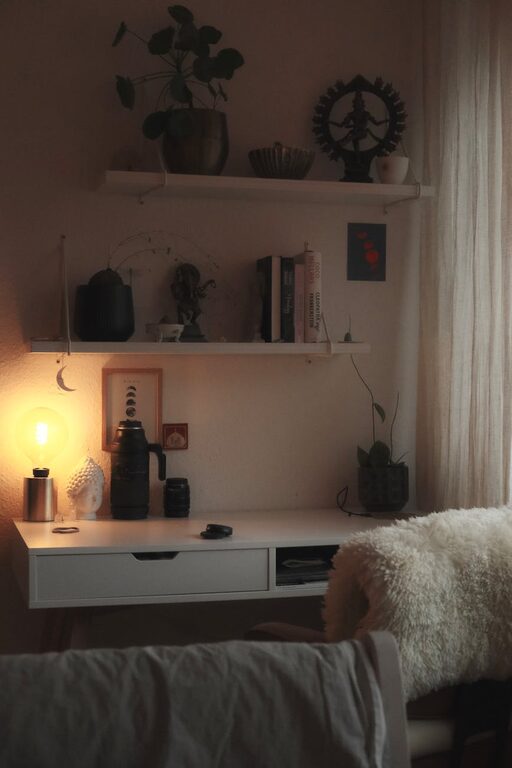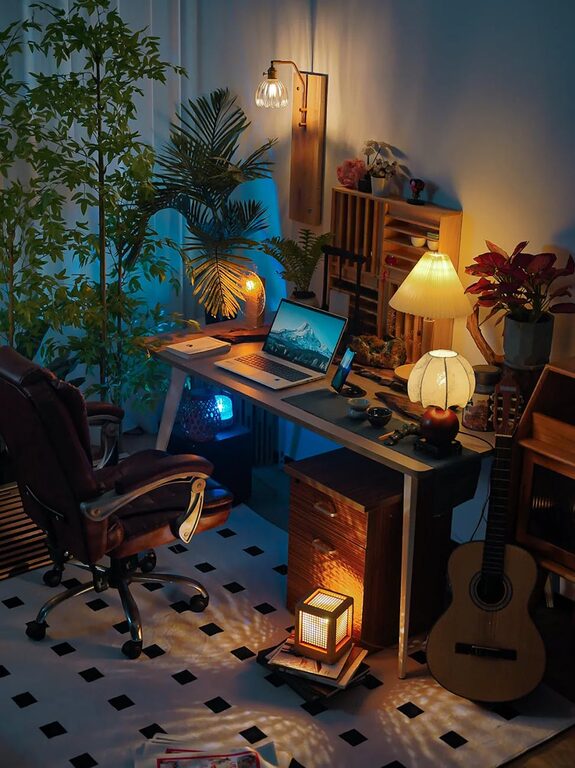
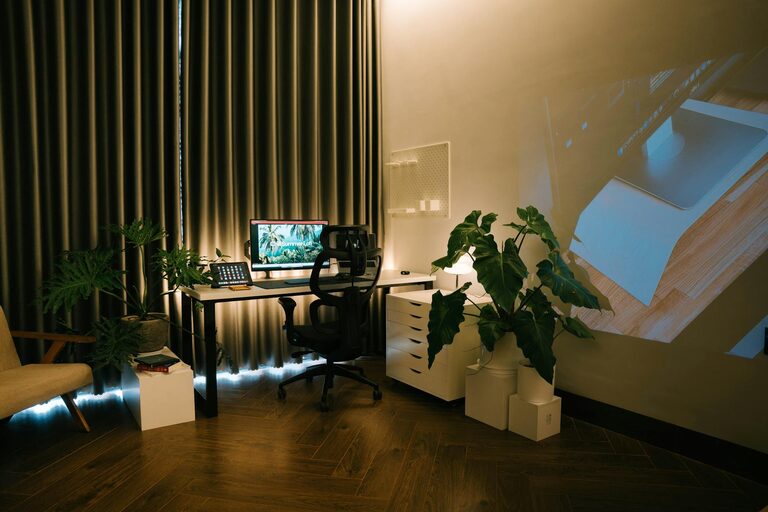
Creating a cozy and inviting home workspace can make a significant difference in your productivity and overall well-being. Whether you spend a few hours or the entire day working from home, having a dedicated area that feels comfortable, organized, and personalized can help you stay focused and motivated. This guide offers practical tips to design a home office space that you’ll enjoy spending time in.
Why a Cozy Workspace Matters
When your work area feels pleasant and inviting, it naturally boosts your mood and productivity. A cozy workspace reduces stress and helps set clear boundaries between work and relaxation areas in your home. The combination of comfort and functionality allows you to work efficiently while feeling relaxed and satisfied in your environment.
Choosing the Right Location
The first step in creating your ideal workspace is finding the right spot in your home.
Consider Natural Light
Daylight has a positive impact on your energy and focus. Try to place your desk near a window where you can benefit from natural light without glare on your screen.
Minimize Distractions
Select a quiet corner or room, away from household noise if possible. This helps maintain concentration during work hours.
Space to Move
Make sure your workspace has enough room to move comfortably and store your essentials.
Furniture That Combines Comfort and Function
Your furniture choices greatly affect the coziness and usefulness of your workspace.
Invest in a Quality Chair
A supportive chair can protect your posture and prevent discomfort. Look for adjustable ergonomic chairs that suit your height and desk setup.
Desk Size and Layout
Choose a desk large enough for your computer, workspace accessories, and some personal items without feeling cluttered.
Multi-functional Furniture
If space is limited, consider desks with built-in storage or foldable designs to save room.
Lighting for a Warm and Inviting Atmosphere
Beyond natural light, thoughtful lighting can improve both comfort and productivity.
– Task Lighting: Use a desk lamp with adjustable brightness and direction to reduce eye strain.
– Ambient Lighting: Soft ambient light, such as floor lamps or string lights, adds warmth to your workspace.
– Avoid Harsh Overhead Lighting: Overhead lights that are too bright or cold can create a sterile environment. Use dimmable bulbs or lampshades to soften the light.
Personalize Your Workspace
Adding personal touches turns a functional space into an inspiring one.
Decor and Accessories
Incorporate items that motivate or relax you, such as photos, plants, or artwork. Just be careful not to overcrowd your area with too many decorations.
Color Palette
Choose calming and uplifting colors. Soft blues, greens, or neutral tones often create a relaxing vibe. Use accent colors to add energy or creativity.
Greenery
Indoor plants improve air quality and add life to your workspace. Small, low-maintenance plants like succulents or pothos are ideal.
Organize and Declutter
A tidy workspace helps you think clearly and find what you need quickly.
Storage Solutions
Use shelves, drawers, or boxes to keep supplies neat and accessible. Label containers for easy identification.
Cable Management
Keep cords organized with clips or sleeves to maintain a clean look.
Daily Routine
Spend a few minutes at the end of each workday tidying up your desk to start fresh the next morning.
Comfort and Well-being Tips
Incorporate elements that support your health and comfort.
– Temperature control: Ensure your workspace has good ventilation and temperature regulation to stay comfortable.
– Break area: If possible, create a nearby spot for short breaks to stretch and recharge.
– Ergonomics: Position your monitor at eye level, keep feet flat on the floor, and use wrist supports if needed.
Technology Setup
Make sure your tech setup is efficient and reliable.
– Stable Internet: Strong Wi-Fi or wired connections reduce interruptions.
– Equipment Quality: Use headphones, microphones, or printers suited to your work needs.
– Screen Setup: If you work on a laptop, consider an external monitor for better viewing comfort.
Final Thoughts
Designing a cozy and inviting home workspace takes a mix of thoughtful planning and personal touches. By focusing on comfort, lighting, organization, and ergonomics, you create a space that supports productivity while making work feel less like a chore. Remember, your workspace is yours—tailor it to what makes you feel motivated and relaxed, and you’ll enjoy working at home more than ever.
About the Author