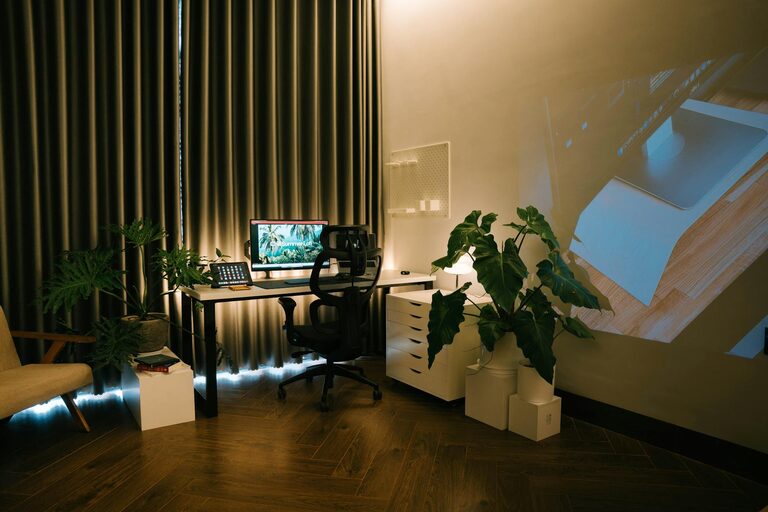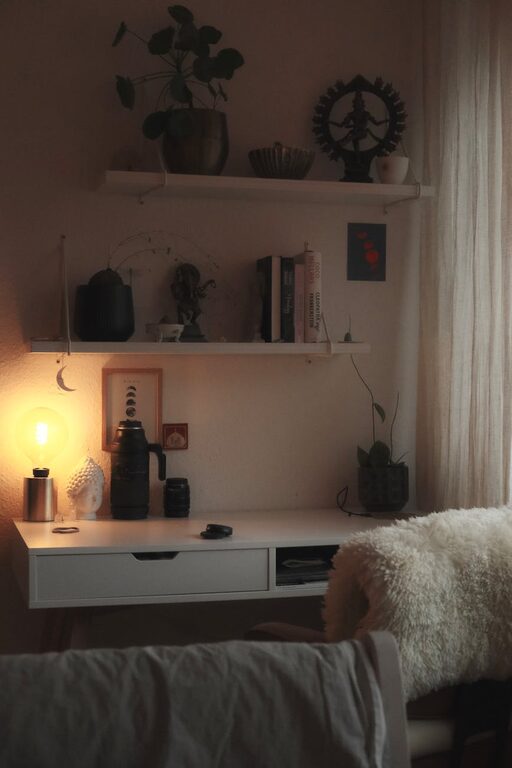
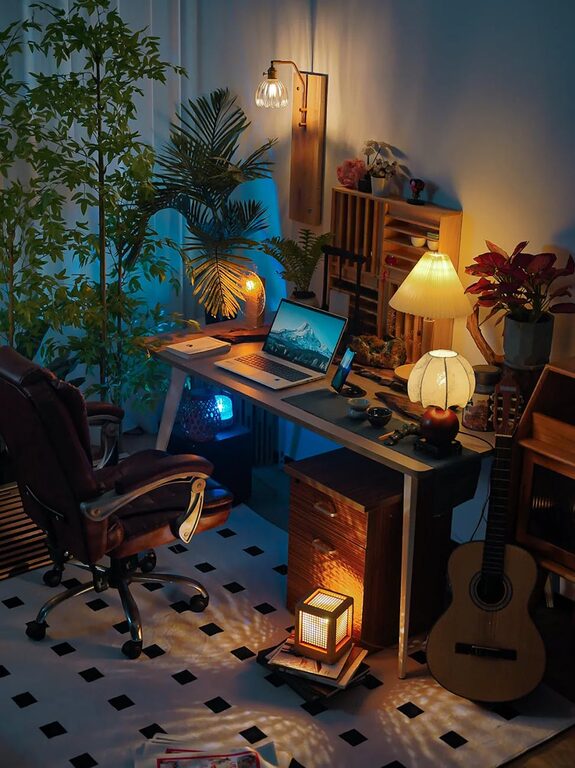
Creating a cozy and inviting home office is more important than ever. With many people working remotely or spending more time on personal projects, having a dedicated space that feels comfortable and inspiring can make a big difference in productivity and well-being. Here are some helpful tips to transform your home office into a space you’ll enjoy spending time in.
1. Choose the Right Location
Start by selecting a spot in your home that is quiet and has good natural light if possible. A window nearby can provide fresh air and reduce eye strain. If natural light is limited, choose a space where you can easily add quality lighting without feeling cramped.
2. Invest in Comfortable Furniture
Comfort is key for long hours spent working or focusing on tasks.
– Ergonomic chair: Choose a chair that supports your back and promotes good posture. Adjustable height and lumbar support are important features.
– Desk: Pick a desk that fits your needs—whether it’s spacious for spreading out papers or compact for smaller spaces. Consider standing desks if you want to alternate between sitting and standing.
3. Personalize Your Space
Make your office uniquely yours by adding personal touches that inspire you.
– Artwork or photos: Hang your favorite prints or family photos to create a warm environment.
– Plants: Adding greenery not only improves air quality but also creates a calming atmosphere. Low-maintenance plants like succulents or snake plants are great options.
– Decor: Use decorative objects, cushions, or rugs that reflect your style without cluttering the workspace.
4. Organize Efficiently
A clutter-free workspace helps you stay focused and reduces stress.
– Storage solutions: Use shelves, drawers, or filing cabinets to keep papers and supplies tidy.
– Desk organizers: Keep pens, notebooks, and gadgets neatly arranged with trays or holders.
– Cable management: Use clips or sleeves to keep cords neat and prevent tangles.
5. Lighting Matters
Good lighting is essential for comfort and productivity.
– Task lighting: Use a desk lamp with adjustable brightness to illuminate your work area without causing glare on screens.
– Ambient lighting: Soft overhead or floor lamps create a warm mood in the room, balancing the lighting throughout the space.
6. Manage Noise and Distractions
Creating a quiet environment helps maintain concentration.
– Use noise-cancelling headphones or listen to soft background music if needed.
– Consider adding rugs, curtains, or acoustic panels to absorb sound and reduce echo.
– Let household members know your working hours to minimize interruptions.
7. Keep Essentials Within Reach
Arrange your workspace so that frequently used items are easily accessible.
– Position your computer, phone, and notepads where you don’t have to stretch or get up often.
– Use a small side table or drawer for items you don’t need continuously but want nearby.
8. Add Comfort Enhancements
Small touches can make your office feel more inviting.
– Cozy textiles: A soft throw blanket or cushioned chair pad adds comfort.
– Aromatherapy: Use a diffuser with calming scents like lavender or eucalyptus to create a relaxing environment.
– Temperature control: Keep a fan or heater nearby if needed to stay comfortable throughout the day.
9. Create Separation From Home Life
If possible, distinguish your office area from living spaces to help switch between work mode and relaxation.
– Use room dividers, a curtain, or rearranged furniture to define the workspace.
– Establish a clear start and end to your workday by closing the door or packing away work materials at the end of the day.
10. Regularly Refresh Your Space
Keep your home office feeling inspiring by updating it occasionally.
– Rotate artwork or add new plants.
– Declutter and reorganize every few months.
– Change your desk layout if you want a new perspective or better flow.
—
By thoughtfully combining comfort, functionality, and personal style, your home office can become a cozy and inviting place where you enjoy spending time. A well-designed workspace not only enhances productivity but also supports your well-being, making work a more enjoyable experience overall.
About the Author