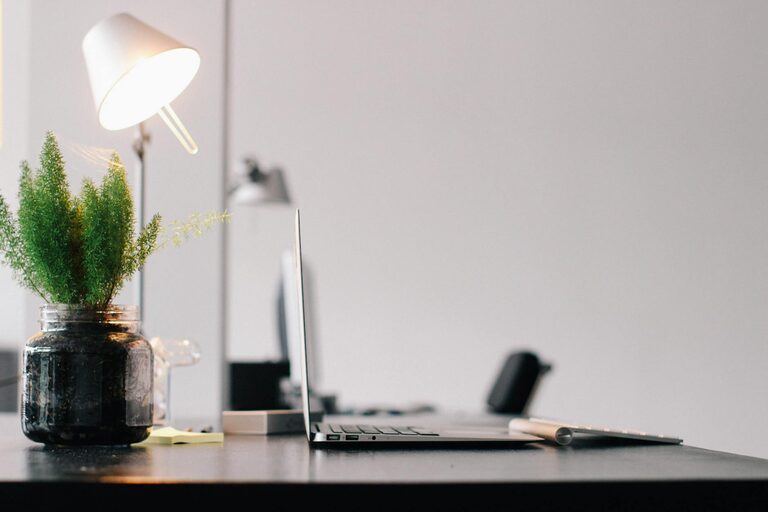
Creating a productive home office environment is essential for anyone working remotely or managing tasks from home. A well-organized and comfortable workspace can help improve focus, reduce distractions, and increase overall job satisfaction. Whether you’re new to working at home or looking to enhance your current setup, these practical tips will help you build an efficient and enjoyable office space.
Choose the Right Location
Finding the perfect spot for your home office is the first step in creating a productive environment. Ideally, select a quiet area away from high-traffic zones like the living room or kitchen. Having a dedicated space—no matter how small—signals your brain that it’s time to work, helping you concentrate better.
If space is limited, consider converting a corner, a section of a bedroom, or even a closet. Make sure the spot has good natural lighting and ventilation to keep you feeling fresh throughout the day.
Invest in Comfortable and Functional Furniture
Your chair and desk are the foundation of a productive workspace. Choose an ergonomic chair that supports your back and promotes good posture to prevent discomfort during long work hours. A desk or table at the right height will minimize strain on your wrists and shoulders.
If possible, opt for adjustable furniture that allows you to switch between sitting and standing. This flexibility can improve circulation and reduce fatigue.
Optimize Lighting
Good lighting reduces eye strain and keeps you alert. Natural light is the best option, so position your desk near a window if you can. However, avoid glare on your screen by angling your desk appropriately or using blinds.
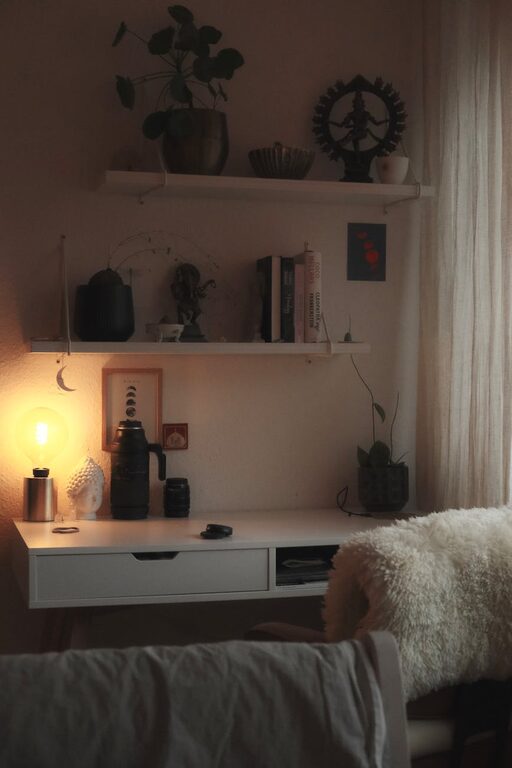
For darker hours or rooms with limited windows, add task lighting such as a desk lamp with adjustable brightness. Soft, warm light is easier on the eyes compared to harsh fluorescent bulbs.
Keep Your Workspace Organized
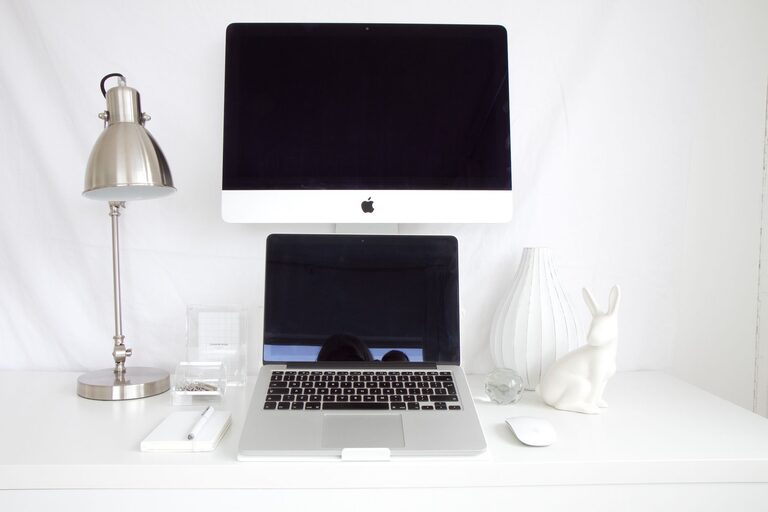
Clutter can quickly sap your motivation and focus. Use organizers, shelves, or drawers to keep papers, supplies, and tools tidy and within reach. Consider labeling storage containers to make finding items quicker.
Create a daily habit of tidying your desk before finishing work. A clean workspace in the morning sets a productive tone for the day ahead.
Minimize Distractions
Identify the distractions that affect you the most and find ways to reduce them. Noise-cancelling headphones can help block out background sounds. If you have family members or roommates, communicate your work hours clearly to minimize interruptions.
Limit the use of smartphones or social media apps during work time by turning on “Do Not Disturb” modes or using website blockers.
Personalize Your Space
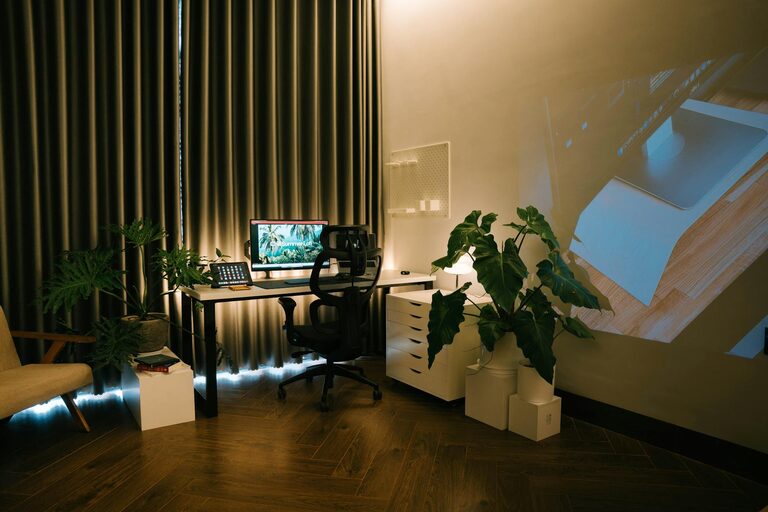
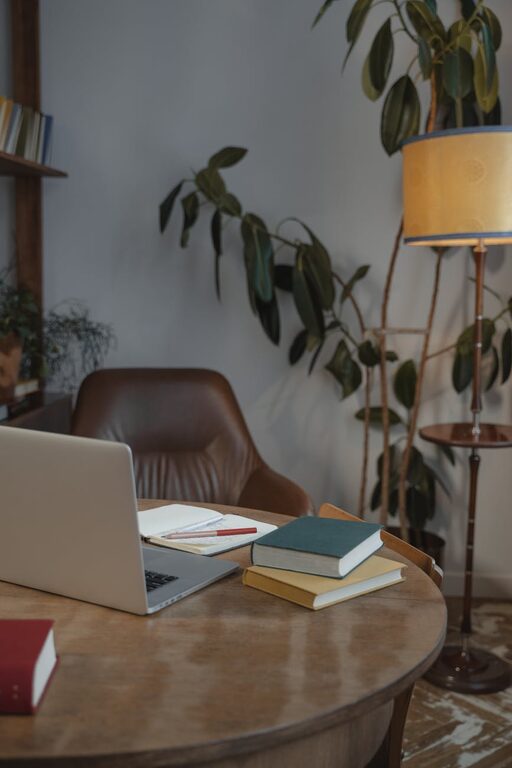
A workspace that feels welcoming and inspiring can boost your mood and motivation. Add a few personal touches such as photos, plants, or artwork that make you feel comfortable without overwhelming your desk.
Plants, in particular, improve air quality and create a calming atmosphere, which can help reduce stress.
Set a Routine and Boundaries
Having a consistent work schedule helps your mind shift into “work mode” and improves your time management. Try to start and end work at regular times each day, just like you would in a traditional office setting.
Set clear boundaries between work and personal time. When your workday is over, step away from your desk to rest and recharge.
Use Technology Wisely
Make sure your computer, internet connection, and software tools are reliable and up to date. Technology interruptions can disrupt your workflow and cause frustration.
Use productivity apps or timers to organize tasks and manage your workload efficiently. Regular breaks following techniques like the Pomodoro Method can keep your energy levels high throughout the day.
Prioritize Comfort and Health
Don’t forget to take care of your physical well-being while working from home. Maintain a comfortable room temperature and keep a water bottle nearby to stay hydrated.
Incorporate short stretches or brief walks into your routine to counteract the effects of sitting. Small exercises can improve circulation and help you stay alert.
Regularly Review and Adjust Your Setup
Your needs and work habits may change over time, so it’s important to periodically review your workspace setup. Ask yourself what’s working well and what could be improved.
Adjust your furniture, lighting, or organizational methods as needed to keep your home office efficient and pleasant.
—
A well-designed home office can transform your remote work experience, making each workday more productive and enjoyable. By choosing an ideal location, investing in the right furniture, keeping your space organized, and prioritizing your comfort, you set yourself up for success in any home-working scenario. Try out these tips and find the balance that suits your unique needs.
About the Author