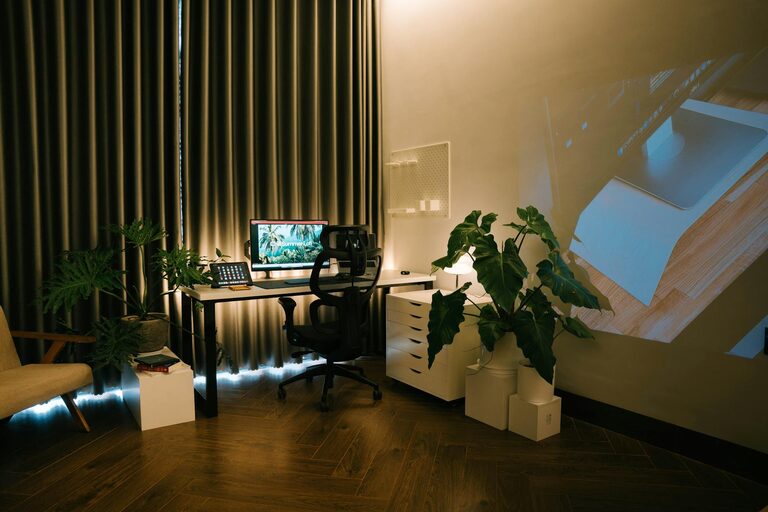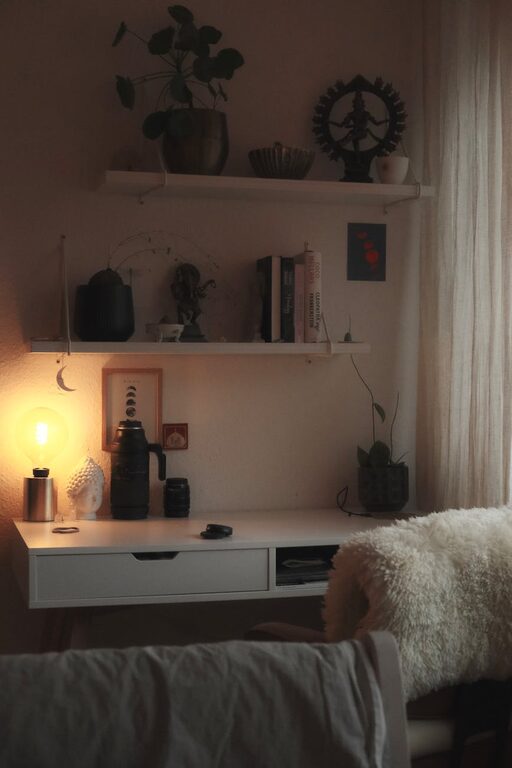
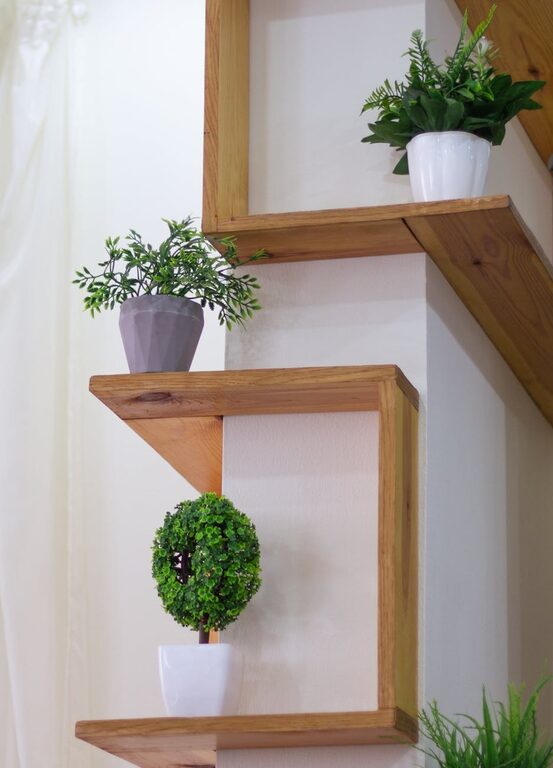
Living in a small space can be a challenge, but with the right approach, you can create a home that feels open, functional, and comfortable. Whether you live in a studio apartment, a tiny house, or simply want to optimize a small room, organizing your space thoughtfully makes a huge difference. In this post, we’ll explore practical tips to help you organize a small living area for maximum efficiency and coziness.
Understand Your Space and Needs
Before you start decluttering or buying new furniture, take some time to analyze your space and how you use it. Ask yourself:
– What activities do I do here (work, sleep, eat, entertain)?
– Which items do I use daily, and which can be stored or donated?
– Are there any awkward corners or unused areas?
Knowing your priorities helps you focus on what you really need to keep and how to arrange your belongings.
Declutter First: Less Is More
One of the most important steps in organizing a small living space is removing unnecessary items. Clutter consumes precious space and adds visual noise, making the room feel smaller.
– Sort your possessions into keep, donate, and discard piles.
– Avoid holding onto items “just in case.”
– Keep surfaces as clear as possible; this creates a cleaner, more spacious feel.
Regularly reviewing and downsizing your belongings ensures your space stays manageable.
Use Multi-Functional Furniture
In a small living area, every piece of furniture should work hard for you. Invest in multi-functional pieces that serve more than one purpose.
– Sofa beds or daybeds: Great for combining seating and sleeping arrangements.
– Storage ottomans: Comfortable seating with hidden storage inside.
– Foldable tables or desks: Can be tucked away when not in use.
– Beds with built-in drawers: Save closet space by storing clothes or bedding underneath.
Multi-functional furniture helps you save space without sacrificing comfort or style.
Maximize Vertical Space
When floor space is limited, look upward. Vertical storage allows you to free up surfaces and keep things organized.
– Install wall-mounted shelves for books, decor, and everyday items.
– Use floating shelves to maintain floor space.
– Hang hooks or pegboards for keys, bags, or kitchen tools.
– Consider tall cabinets or bookshelves to use height effectively.
Using vertical space draws the eyes upward and adds storage without cluttering your living area.
Create Zones for Different Functions
Even in a small living area, it helps to define zones that serve different purposes. This organization clarifies how the space is used and reduces chaos.
– Use rugs or different lighting to mark a workspace, sleeping area, or lounge spot.
– Position furniture strategically to separate functions, such as a bookshelf acting as a room divider.
– Keep related items together, for example, office supplies near a desk, or cooking utensils near food prep areas.
This zoning can also improve your daily routine by helping you stay focused on specific tasks.
Use Light Colors and Strategic Lighting
Color and lighting play a significant role in how spacious and comfortable a room feels.
– Opt for light-colored walls, furniture, and décor to reflect natural light.
– Use mirrors to bounce light around and create the illusion of depth.
– Layer your lighting — combine ceiling lights, floor lamps, and task lights to brighten different areas appropriately.
– Avoid heavy curtains; go for sheer or light fabrics to maximize daylight.
Bright, well-lit spaces generally feel larger and more welcoming.
Organize with Containers and Labels
Storing small items in containers helps keep things neat and easy to find.
– Use clear bins or baskets to visually identify contents.
– Label boxes or drawers to speed up retrieval.
– Utilize drawer organizers for clothes, office supplies, or kitchen utensils.
– Stack containers where possible to boost storage capacity.
Having a designated place for everything simplifies daily life and keeps clutter at bay.
Keep Frequently Used Items Accessible
For smooth, comfortable living, store everyday essentials within easy reach.
– Place items you use daily in open shelves or low drawers.
– Keep things that are used less often in higher shelves or tucked away.
– Organize regularly, so frequently used things don’t get buried under other items.
This approach saves time and reduces frustration in a small home.
Maintain Your Space Regularly
Organization is not a one-time effort, especially in small spaces. Make time for weekly or monthly tidying and adjusting.
– Put things back after use.
– Take advantage of any new storage ideas or solutions that arise.
– Stay mindful of not accumulating unnecessary items.
Maintaining order consistently preserves the comfort and functionality you’ve worked hard to achieve.
—
By following these tips, you can transform your small living space into a well-organized, comfortable, and inviting home. Remember that thoughtful organization is about balancing practicality and enjoyment. With creativity and care, any small space can become your perfect living spot.
About the Author